01
Knee Surgery
Knee Replacement Recovery
Recovery focuses on improving knee movement, walking, strength and confidence during everyday activities.
Understanding Recovery After Surgery
Recovery after orthopaedic surgery is different for every individual. Whether you have undergone knee, hip, shoulder or other orthopaedic procedures, understanding the recovery process can help you return to daily activities with greater confidence.
Recovery involves much more than allowing the surgical wound to heal. Regaining joint movement, strength, balance and confidence is often an important part of returning to normal function. A structured assessment helps determine your current stage of recovery and the most appropriate next steps.
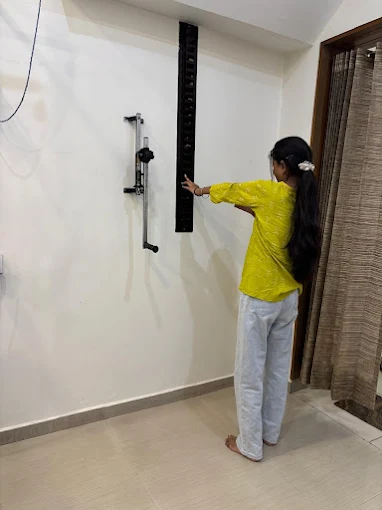
Understanding Recovery
Recovery after orthopaedic surgery is a gradual process that focuses on helping you regain movement, strength, balance and confidence. Every person's recovery is different and depends on factors such as the type of surgery performed, overall health, age and activity level.
During recovery, it is common to experience temporary pain, swelling, stiffness and reduced mobility. As healing progresses, many people gradually return to walking, work, sports and everyday activities with appropriate guidance.
Regular assessment helps monitor recovery, identify movement limitations and determine whether further rehabilitation or medical review is appropriate.
Common Procedures
Many orthopaedic procedures benefit from structured rehabilitation to help restore movement, strength and everyday function.
Knee Surgery
Recovery focuses on improving knee movement, walking, strength and confidence during everyday activities.
Hip Surgery
Hip replacement recovery aims to restore mobility, balance and comfortable walking following surgery.
ACL Surgery
Recovery following ACL reconstruction often includes restoring knee stability, strength and functional movement.
Shoulder Surgery
Recovery may involve gradually restoring shoulder movement and improving everyday arm function.
Spine Surgery
Recovery after spinal procedures focuses on safe movement, posture and returning to daily activities.
Fracture Surgery
Following fracture fixation, recovery often involves restoring joint mobility, muscle strength and functional independence.
Common Recovery Challenges
Recovery following orthopaedic surgery varies from person to person. During the healing process, it is common to experience temporary symptoms that gradually improve over time. Monitoring these changes helps healthcare professionals assess your progress.
Mild to moderate discomfort during movement may be expected during different stages of recovery, depending on the surgical procedure.
Temporary stiffness can occur after surgery and may affect everyday activities until movement gradually improves.
Swelling around the surgical area is common during the early stages of healing and should gradually reduce over time.
Reduced activity before and after surgery may temporarily decrease muscle strength around the affected joint.
Depending on the procedure, walking and balance may take time to improve during recovery.
Many individuals feel hesitant about returning to normal activities until they regain confidence in their movement.
Recovery Factors
Recovery time varies for every individual. Several factors may influence how quickly a person progresses following orthopaedic surgery.
Recovery differs depending on whether the procedure involved joints, ligaments, tendons, bones or the spine.
General health and medical history may influence the body's healing process.
Recovery speed and rehabilitation needs vary between individuals of different age groups.
Pre-surgery fitness and mobility may influence the rehabilitation journey.
Adhering to post-operative instructions provided by your surgeon or healthcare team plays an important role in recovery.
Every person heals at a different pace, even after similar surgical procedures.
Recovery Monitoring
Regular follow-up assessments help monitor your progress after surgery and ensure that recovery is moving in the expected direction. If symptoms change or your progress slows, professional advice can help determine the most appropriate next step.
Although recovery timelines vary between individuals, persistent pain, reduced mobility or difficulty performing everyday activities should be discussed with your healthcare provider or physiotherapist.
Pain that does not gradually improve or becomes more severe during recovery should be reviewed.
Swelling that remains unchanged or continues to increase should be assessed.
Difficulty bending, straightening or moving the operated joint comfortably may require further evaluation.
Ongoing problems with walking, climbing stairs or balance should be discussed during follow-up appointments.
If progress has slowed or stopped, reassessment can help identify possible contributing factors.
Before returning to demanding work, sports or higher levels of activity, professional guidance may be beneficial.
Your Assessment
Each assessment is tailored to your surgery, current stage of recovery and functional goals.
Your symptoms, surgery details, current activity level and recovery progress are reviewed.
Joint movement, muscle strength, flexibility and functional mobility are assessed.
Walking, stair climbing, balance and everyday activities may be assessed depending on your surgery.
Your findings are explained and guidance is provided regarding rehabilitation or whether further medical review may be appropriate.
Seek Urgent Medical Care
Contact your surgeon or seek urgent medical care if you experience increasing redness around the wound, excessive swelling, fever, wound discharge, sudden severe pain, difficulty breathing, chest pain or an inability to move the operated limb following surgery.
Related Conditions
Related Services
This page provides general educational information about recovery after orthopaedic surgery. If you're looking for personalised rehabilitation, explore our related physiotherapy services below.
Serving Zirakpur & Nearby Areas
Ace Physiotherapy Clinic welcomes patients recovering from orthopaedic surgery across Zirakpur and surrounding areas. Whether you've undergone knee replacement, hip replacement, ACL reconstruction, shoulder surgery or fracture fixation, regular assessment can help monitor your recovery and progress.
Patients commonly visit us from Zirakpur, Dhakoli, Baltana, VIP Road, Peer Muchalla, Lohgarh, Panchkula, Chandigarh and nearby locations.
If your recovery is progressing more slowly than expected or you're unsure about returning to everyday activities, arranging a professional assessment may help you understand your current stage of recovery.
Frequently Asked Questions
Recovery varies depending on the type of surgery, individual health and rehabilitation goals. Your surgeon or physiotherapist can provide guidance based on your procedure.
Some discomfort is common during the healing process. However, increasing pain or unexpected symptoms should be discussed with your healthcare provider.
The timing depends on your surgical procedure and your surgeon's recommendations. Always follow the advice provided by your medical team.
Walking is often introduced gradually as part of the recovery process, following guidance from your surgeon and rehabilitation team.
Temporary stiffness is common after surgery. Recovery time varies, and movement generally improves as healing progresses.
If pain, swelling, stiffness or reduced mobility is affecting your recovery or daily activities, a follow-up assessment may be beneficial.
Recovering After Surgery?
If you're recovering after orthopaedic surgery and have questions about your progress, mobility or return to daily activities, book an assessment to discuss your recovery goals with our physiotherapy team.