01
Knee Joint
Knee Arthritis & Stiffness
Knee symptoms may include pain while walking, climbing stairs, standing after sitting or performing everyday activities.
Learn about Knee Pain →Understanding Arthritis & Joint Stiffness
Joint pain and stiffness can affect everyday activities such as walking, climbing stairs, gripping objects, getting out of bed or performing routine household tasks. Symptoms may develop gradually over time or appear after an injury or illness.
Arthritis is not a single condition, and joint stiffness does not always mean arthritis is present. Several different conditions can affect the joints, muscles and surrounding tissues. Understanding the possible cause begins with a detailed assessment rather than assuming the diagnosis.
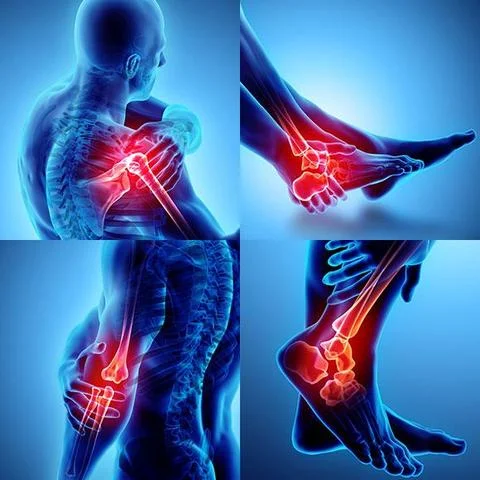
Commonly Affected Areas
Arthritis and joint stiffness can affect almost any joint in the body. Symptoms vary from person to person and may include pain, reduced flexibility, swelling or difficulty performing everyday activities. The location of your symptoms can provide useful information, but an assessment is needed to understand the underlying cause.
Below are some of the joints most commonly affected by arthritis and persistent joint stiffness.
Knee Joint
Knee symptoms may include pain while walking, climbing stairs, standing after sitting or performing everyday activities.
Learn about Knee Pain →Shoulder Joint
Shoulder arthritis or stiffness may make reaching, dressing, lifting or sleeping on the affected side uncomfortable.
Learn about Shoulder Pain →Hands & Fingers
Some people experience stiffness, swelling or pain while gripping objects, writing, opening jars or performing fine hand movements.
Hip Joint
Hip stiffness may affect walking, standing, climbing stairs or getting in and out of a chair comfortably.
Common Symptoms
Symptoms vary depending on the joints involved and the underlying condition. Some people notice mild stiffness, while others experience pain that affects everyday activities.
Stiffness that is more noticeable after waking up or after periods of inactivity.
Discomfort while walking, climbing stairs, lifting or performing daily activities.
Difficulty bending, straightening or moving a joint through its normal range.
Some conditions may cause swelling around the affected joint.
The affected joint may feel sensitive when touched or moved.
Hand and finger stiffness may affect holding or lifting everyday items.
Some people notice discomfort after prolonged walking, standing or exercise.
Joint stiffness may gradually affect independence and everyday movement.
Possible Causes
Joint pain and stiffness can develop for many different reasons. Some conditions gradually affect the joint over many years, while others may develop after an injury, repetitive activities or as part of an inflammatory condition.
The exact cause cannot be confirmed from symptoms alone. Several conditions can produce similar signs, which is why an individual assessment is important when symptoms persist or begin affecting your daily life.
One of the most common causes of joint pain and stiffness, often associated with gradual changes in the joint over time.
An autoimmune condition that may affect multiple joints and often requires medical diagnosis and ongoing management.
Previous fractures, ligament injuries or joint trauma may contribute to stiffness or discomfort later in life.
Occupations or sports involving repeated movements may place additional stress on the joints over time.
Long periods of inactivity may contribute to reduced joint flexibility and stiffness in some individuals.
Natural changes within joints can gradually influence flexibility, comfort and mobility as we grow older.
Risk Factors
Arthritis and joint stiffness can affect anyone, but certain lifestyle factors, occupations and medical history may increase the likelihood of developing symptoms.
Joint flexibility may gradually reduce with age, particularly in weight-bearing joints such as the knees and hips.
A previous injury may increase the likelihood of stiffness or discomfort in the affected joint.
Some forms of arthritis are more common in people with a family history of joint disease.
Additional body weight increases the load placed on joints such as the knees, hips and ankles.
Jobs involving frequent lifting, kneeling, climbing or repetitive movements may place additional stress on the joints.
Prolonged inactivity may contribute to reduced joint mobility and stiffness in some individuals.
When to Seek Advice
Mild joint discomfort sometimes improves with activity modification and adequate rest. However, persistent pain, increasing stiffness or difficulty performing everyday tasks should not be ignored.
An individual physiotherapy assessment can help identify movement limitations, discuss possible contributing factors and determine whether physiotherapy or further medical evaluation may be appropriate.
Stiffness that continues for an extended period after waking or repeatedly returns may benefit from assessment.
Joint pain that affects walking, climbing stairs or standing from a chair should be evaluated.
Difficulty bending, straightening or moving a joint comfortably may indicate reduced mobility.
If joint pain makes work, household activities or hobbies difficult, professional advice is recommended.
Swelling that continues or repeatedly returns should be assessed by a healthcare professional.
If pain or stiffness gradually increases despite modifying your activities, an assessment is advised.
Your Assessment
Every assessment is personalised to understand your symptoms, movement limitations and everyday functional goals before discussing the most appropriate next steps.
Your physiotherapist discusses your symptoms, medical history, previous injuries and how joint pain affects your daily activities.
Joint movement, flexibility, muscle strength and functional activities are assessed to understand your current mobility.
Assessment findings are discussed in simple language so you understand possible contributing factors.
Depending on your assessment, physiotherapy or further medical evaluation may be recommended where appropriate.
Seek Urgent Medical Care
Seek urgent medical care if you experience sudden severe joint pain following major trauma, a hot swollen joint accompanied by fever, rapid swelling, inability to move the joint or a visible deformity.
Related Conditions
Joint pain and stiffness may occur alongside other musculoskeletal conditions. Explore these guides to better understand related symptoms affecting different areas of the body.
Related Services
This page provides educational information about arthritis and joint stiffness. If your symptoms are affecting your daily activities, explore the services below.
Serving Zirakpur & Nearby Areas
Ace Physiotherapy Clinic is located in Zirakpur and is accessible to patients from Dhakoli, Baltana, VIP Road, Peer Muchalla, Lohgarh, Panchkula, Chandigarh, Gazipur and surrounding areas.
Our clinic welcomes patients from Zirakpur, Dhakoli, Baltana, VIP Road, Peer Muchalla, Lohgarh, Panchkula, Chandigarh, Gazipur and surrounding areas.
If joint pain or stiffness is beginning to affect your quality of life, a professional assessment can help identify possible contributing factors and guide you towards the most appropriate next step.
Frequently Asked Questions
The information below is general in nature and does not replace an assessment by a qualified healthcare professional.
No. Joint stiffness may occur for several reasons, including reduced activity, previous injuries, inflammation or other musculoskeletal conditions. Arthritis is only one possible cause.
Morning stiffness is common with several joint conditions. If stiffness lasts for an extended period or continues to worsen, it should be professionally assessed.
Arthritis commonly affects the knees, hips, shoulders, hands and fingers, although it can involve many other joints throughout the body.
Yes. Although some forms become more common with age, certain types of arthritis can affect younger adults as well.
Consider an assessment if joint pain, stiffness or reduced mobility begins affecting your daily activities, work or exercise.
Following an assessment, your physiotherapist can advise whether physiotherapy is appropriate for your symptoms or whether further medical evaluation is recommended.
Concerned About Joint Pain or Stiffness?
If joint pain or stiffness is affecting your movement, mobility or daily activities, book an assessment to discuss your symptoms and understand the most appropriate next steps.