01
Front of the Knee
Front Knee Pain
Pain around the kneecap may become noticeable while climbing stairs, squatting, kneeling, running or after sitting for long periods.
Understanding Knee Pain
Knee pain is a common symptom that can affect people of all ages. It may develop gradually through everyday activities or appear suddenly after an injury. Pain may occur while walking, climbing stairs, exercising, standing from a chair or simply bending the knee.
Knee pain is a symptom rather than a diagnosis. It may involve muscles, ligaments, tendons, cartilage, the kneecap or the knee joint itself. Understanding the possible source of your symptoms begins with a detailed assessment rather than guessing the cause based on where the pain is felt.
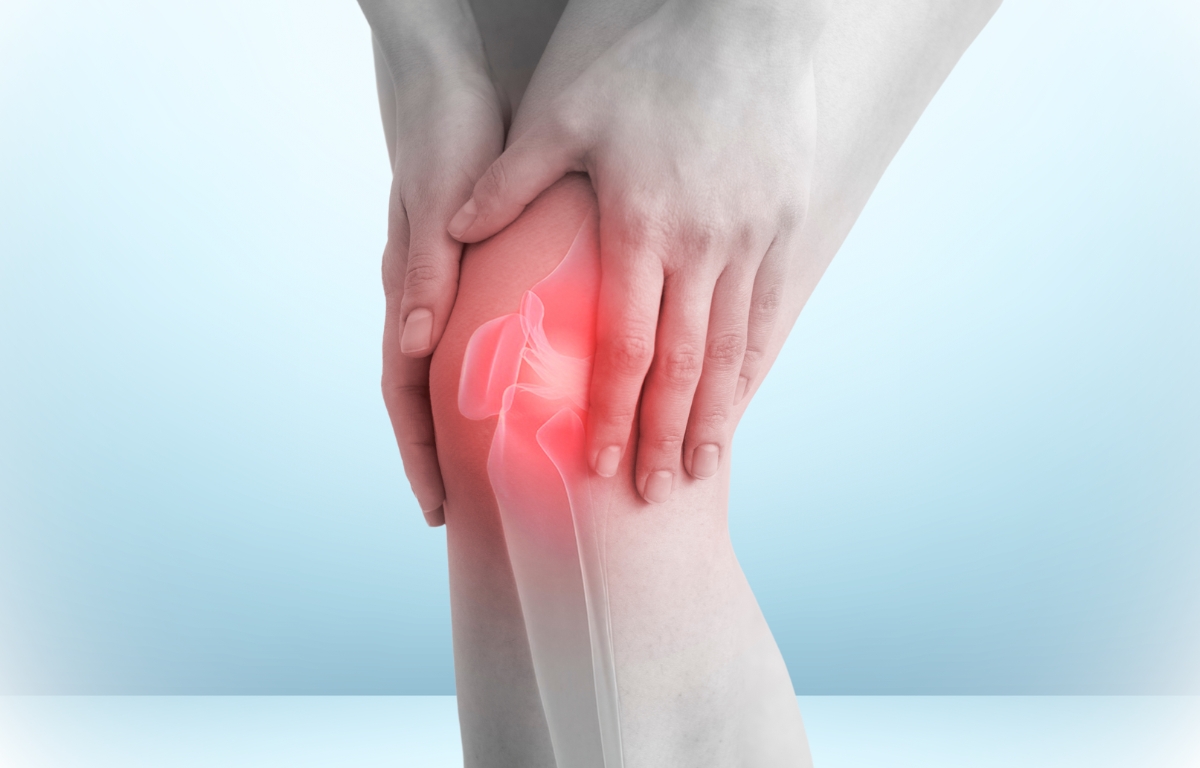
Understanding Your Symptoms
The location of your knee pain can provide useful information about the structures that may be contributing to your symptoms. Pain at the front of the knee often differs from pain on the inside, outside or back of the joint. However, pain location alone cannot determine the exact cause, which is why a professional assessment is important.
Use the information below to better understand where your symptoms are occurring. If your pain continues or affects daily activities, consider arranging an assessment.
Front of the Knee
Pain around the kneecap may become noticeable while climbing stairs, squatting, kneeling, running or after sitting for long periods.
Inner Knee
Inner knee discomfort may occur during walking, twisting movements or after sporting activities. Several structures can contribute to pain in this region.
Outer Knee
Pain along the outer side of the knee may be noticed during running, cycling, prolonged walking or repetitive activities.
Back of the Knee
Pain or tightness behind the knee may be accompanied by stiffness, swelling or discomfort while bending the knee or walking.
Common Symptoms
Knee pain affects people differently. Some experience pain only during activity, while others notice stiffness, swelling or reduced movement throughout the day.
Discomfort during walking or standing for longer periods.
Symptoms may become more noticeable while going up or down stairs.
Difficulty bending or straightening the knee after rest.
Some conditions may cause swelling that affects comfort and movement.
Some people notice clicking sounds during movement, which may or may not be painful.
A feeling that the knee is unstable or may suddenly buckle while walking.
Reduced confidence or discomfort while squatting, kneeling or getting up from the floor.
Limited flexibility that affects everyday activities such as sitting, walking or exercising.
Common Causes
Knee pain can develop for many different reasons. In some people it begins after a fall, sports injury or sudden twist, while others notice symptoms gradually developing with age, repetitive activities or prolonged physical demands.
The knee is a complex joint made up of bones, cartilage, ligaments, tendons and muscles. Because several structures work together, different conditions can produce similar symptoms. A detailed assessment helps identify the most likely source of your pain and determine whether physiotherapy or further medical evaluation is appropriate.
Age-related changes within the knee joint may cause pain, stiffness and reduced movement, especially after periods of rest.
Sudden twisting, sports injuries or falls may affect the ligaments that provide stability to the knee.
The meniscus acts as a shock absorber within the knee. Injury may contribute to pain, clicking or locking sensations.
Repetitive jumping, running or overuse may irritate the tendons around the knee.
Activities involving running, jumping, pivoting or sudden changes of direction may contribute to knee injuries.
Reduced strength or poor movement patterns may place additional stress on the knee during everyday activities.
Risk Factors
Knee pain can affect anyone, but certain occupations, activities and health factors may increase the likelihood of developing symptoms.
Age-related changes within the knee joint may increase stiffness and reduce mobility over time.
Running, football, cricket, badminton and other sports involving jumping or twisting place greater demands on the knee.
Frequent lifting, kneeling, climbing and repetitive physical work may increase stress on the knee joint.
Carrying additional body weight increases the load placed on the knees during standing and walking.
Previous ligament, cartilage or meniscus injuries may increase the likelihood of future knee problems.
Jobs involving prolonged standing, climbing stairs or repetitive squatting may place additional stress on the knees.
When to Seek Advice
Minor knee discomfort sometimes settles with temporary activity modification and adequate rest. However, if pain continues, becomes more frequent or starts affecting work, walking, exercise or daily activities, it is advisable to arrange a professional assessment.
A physiotherapy assessment aims to understand your symptoms, identify movement limitations and determine whether physiotherapy may be appropriate or whether further medical evaluation is recommended.
Knee pain that does not improve with simple activity modification should be assessed.
Pain that affects comfortable walking, standing or climbing stairs should not be ignored.
Swelling that repeatedly returns or persists should be professionally assessed.
A feeling of instability or the knee suddenly buckling during walking may require further evaluation.
Difficulty bending or straightening the knee can affect daily function and should be assessed.
If knee pain is limiting work, household activities, exercise or hobbies, professional advice is recommended.
Your Assessment
Every assessment is personalised to understand your symptoms, movement limitations and functional goals before discussing the most appropriate next steps.
We ask when the pain started, where it is located and which activities make it better or worse.
Your physiotherapist evaluates knee movement, flexibility, walking pattern and functional activities.
Assessment findings are explained in simple language, including possible contributing factors.
You will receive guidance on whether physiotherapy, self-management or further medical investigation is the most appropriate option.
Seek Urgent Medical Care
Seek urgent medical care if knee pain follows a major injury, you are unable to bear weight, there is a visible deformity, rapid swelling, fever with a hot swollen joint, or sudden loss of movement or sensation.
Related Conditions
Knee pain may sometimes occur alongside other musculoskeletal conditions. Explore these guides to better understand related symptoms.
Need Professional Advice?
This page explains common symptoms and possible causes of knee pain. If your symptoms are affecting your daily life, learn more about our dedicated Knee Pain Physiotherapy service.
Serving Zirakpur & Nearby Areas
People visit Ace Physiotherapy Clinic from Zirakpur and nearby areas to better understand symptoms affecting their knees, mobility and daily activities. Whether your discomfort started after a sports injury, prolonged walking or developed gradually, an assessment can help identify possible contributing factors.
Our clinic is conveniently located for patients from Zirakpur, Dhakoli, Baltana, VIP Road, Panchkula, Chandigarh, Peer Muchalla, Lohgarh, Gazipur and surrounding areas.
If knee pain is making walking, climbing stairs, exercising or daily work difficult, an individual physiotherapy assessment can help determine the most appropriate next step.
Frequently Asked Questions
These answers provide general educational information and do not replace an individual medical or physiotherapy assessment.
Knee pain during stair climbing can have several possible causes involving muscles, tendons, cartilage, ligaments or the kneecap. An assessment helps identify the likely source of your symptoms.
Knee clicking is common and is not always associated with a problem. However, clicking accompanied by pain, swelling or locking should be assessed by a healthcare professional.
The answer depends on the cause and severity of your symptoms. Persistent or worsening pain should be assessed before continuing higher levels of activity.
Yes. Knee pain may develop gradually due to overuse, age-related joint changes, repetitive activities or muscle imbalances without a specific injury.
Consider an assessment if knee pain continues, limits your daily activities, affects walking or repeatedly returns despite rest or activity modification.
A physiotherapy assessment evaluates your symptoms, movement, strength and functional limitations to identify possible contributing factors and determine whether physiotherapy is appropriate.
Not Sure What's Causing Your Knee Pain?
Understanding the cause of knee pain is the first step towards making informed decisions about your recovery. Book an assessment to discuss your symptoms and receive personalised guidance.