
Reduced movement
Difficulty moving one side, one limb or multiple areas after medical diagnosis.
Paralysis Rehabilitation
Individual rehabilitation focused on movement and daily function
Following medical diagnosis and stabilisation, physiotherapy may support mobility, positioning, strength, balance, transfers and daily function. Rehabilitation must follow the treating doctor’s guidance and the individual’s neurological condition.
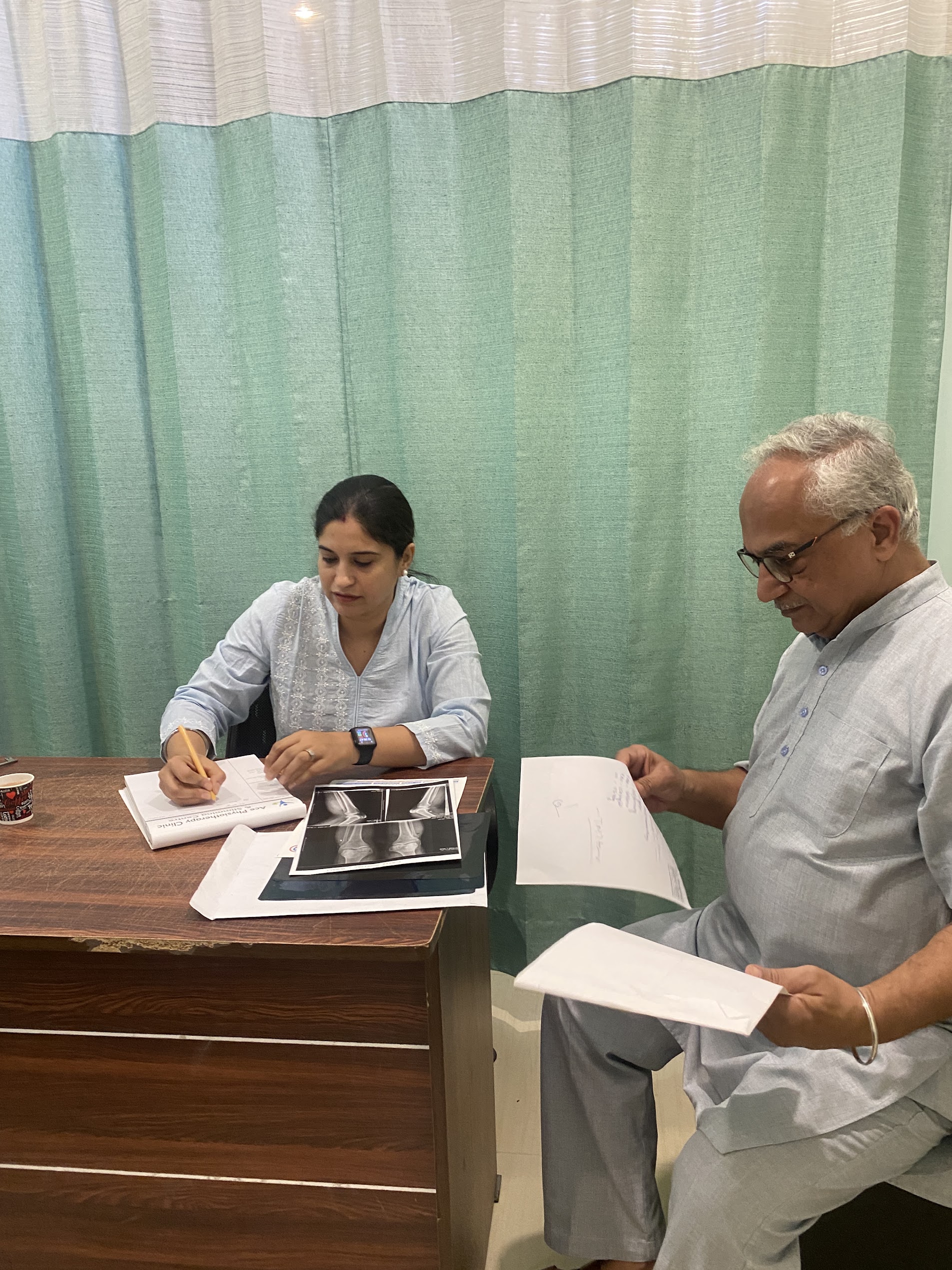
Service Overview
Following medical diagnosis and stabilisation, physiotherapy may support mobility, positioning, strength, balance, transfers and daily function. Rehabilitation must follow the treating doctor’s guidance and the individual’s neurological condition.
Treatment recommendations are made only after reviewing your medical history, symptoms, movement and functional limitations.
Results and recovery timelines vary between patients. Physiotherapy cannot guarantee a specific outcome.
Who It May Help
These examples are educational and do not replace an individual assessment.
Difficulty moving one side, one limb or multiple areas after medical diagnosis.
Reduced sitting, standing or walking balance.
Challenges moving between bed, chair, standing and other positions.
Need for rehabilitation focused on mobility and everyday activities.
Your Assessment
The assessment is adapted to your condition, medical history, safety requirements and rehabilitation goals.
View Assessment ServiceTreatment Approach
The exact treatment plan depends on assessment findings and may include education, guided movement, exercises and functional rehabilitation.
Book an AssessmentReview medical guidance, precautions and rehabilitation priorities.
Support safe positioning, joint movement and prevention of avoidable stiffness.
Practise appropriate movement, balance, transfers and mobility tasks.
Guide caregivers and review progress according to the individual condition.
Call emergency services immediately for sudden facial droop, arm or leg weakness, speech difficulty, severe headache, loss of consciousness, new paralysis or any rapidly developing neurological symptoms.
Common Questions
Contact the clinic when you need guidance based on your individual condition.
Physiotherapy cannot promise a cure. Rehabilitation may support movement, mobility, positioning, function and caregiver training depending on the medical condition.
Timing depends on medical stability and the treating doctor’s instructions. New or sudden paralysis is a medical emergency.
Home visits may be considered subject to clinical suitability, service availability and the patient’s location.
Caregiver participation may be helpful for safe positioning, transfers, home practice and continuity of care.
Start with an Assessment
Request an appointment at our Zirakpur clinic so the appropriate next step can be discussed.