01
Muscle Injury
Muscle Strains
Muscle strains may occur when muscles are stretched beyond their normal limits during sprinting, jumping, lifting or sudden acceleration.
Understanding Sports Injuries
Sports injuries can affect anyone, from recreational exercisers to competitive athletes. They may occur suddenly during activity or develop gradually due to repetitive movements, overtraining or inadequate recovery.
Sports injuries commonly involve muscles, ligaments, tendons, joints and bones. Understanding how an injury occurred and how it affects movement is the first step towards identifying the most appropriate course of action.
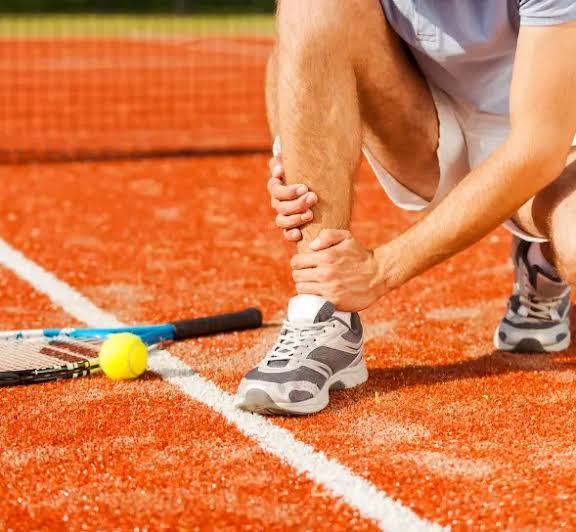
Understanding Sports Injuries
A sports injury refers to damage affecting muscles, ligaments, tendons, joints or bones during physical activity. These injuries may happen suddenly after a fall, awkward landing or collision, or they may develop gradually due to repetitive movements and overuse.
Sports injuries are not limited to professional athletes. They are common among recreational runners, gym members, cyclists, football and cricket players, badminton players, school children and anyone participating in regular physical activity.
While some injuries improve with appropriate rest, others require assessment to determine the structures involved and whether physiotherapy or further medical evaluation is appropriate.
Common Sports Injuries
Different sports place different demands on the body. The following are among the most common injuries affecting active individuals.
Muscle Injury
Muscle strains may occur when muscles are stretched beyond their normal limits during sprinting, jumping, lifting or sudden acceleration.
Ligament Injury
Ligaments help stabilise joints. Sudden twisting or awkward landings may lead to sprains involving the ankle, knee or wrist.
Tendon Injury
Repetitive sporting movements may irritate tendons, particularly around the shoulder, elbow, knee or Achilles tendon.
Knee Injury
Running, jumping and repetitive training may lead to discomfort around the kneecap that affects sports participation.
Learn about Knee Pain →Ankle Injury
One of the most common sporting injuries, ankle sprains often occur after landing awkwardly, changing direction or uneven ground.
Shoulder Injury
Throwing sports, swimming, racquet sports and gym exercises may contribute to shoulder pain or reduced movement.
Learn about Shoulder Pain →Common Symptoms
Sports injuries can affect people differently depending on the body part involved and the severity of the injury. Some symptoms appear immediately after an injury, while others gradually develop during training or repetitive activity.
Pain that develops while running, jumping, lifting weights or participating in sports.
Swelling may appear after a fall, twist or direct impact during sporting activities.
Muscle or ligament injuries may sometimes be accompanied by bruising around the affected area.
An injured muscle or joint may feel weaker and make everyday or sporting activities more difficult.
Pain or stiffness may reduce your ability to move a joint comfortably through its normal range.
Some ligament injuries may cause a feeling that the joint is unstable or may give way.
Sports injuries often affect higher-impact movements before everyday walking becomes difficult.
Symptoms may become more noticeable after training sessions or sporting events.
Common Causes
Sports injuries often occur because of a combination of training load, movement patterns, physical conditioning and external factors. Understanding how an injury occurred helps guide assessment and recovery.
Rapid changes in direction may place excessive stress on muscles, ligaments and joints.
Training without adequate recovery may increase the risk of overuse injuries.
Beginning high-intensity activity without proper preparation may increase injury risk.
Repeating the same movement over time may contribute to tendon or muscle irritation.
Incorrect movement patterns during sports or gym exercises may place unnecessary stress on the body.
Collisions, falls or contact during sports can result in acute injuries affecting muscles, joints or bones.
Risk Factors
Anyone participating in physical activity can experience a sports injury. However, certain training habits, physical factors and sporting environments may increase the likelihood of injury.
Understanding these risk factors may help athletes and recreational exercisers make informed decisions about training and injury prevention.
Returning to sport before adequate recovery may increase the risk of re-injury.
Reduced strength, endurance or fitness may increase the demands placed on muscles and joints.
Differences in flexibility or muscle strength may influence movement patterns during sports.
Reduced mobility may contribute to increased stress during running, jumping or rapid directional changes.
Shoes that do not provide suitable support for the chosen activity may influence injury risk.
Frequent high-intensity training with limited recovery time may contribute to overuse injuries.
When to Seek Advice
Minor sporting injuries sometimes improve with appropriate rest and activity modification. However, ongoing pain, swelling or reduced performance should not be ignored.
If pain prevents you from continuing your sport or exercise, assessment is recommended.
Swelling that does not improve or repeatedly returns should be evaluated.
Pain that continues beyond a few days despite reducing activity should be professionally assessed.
A feeling that the ankle, knee or shoulder may give way requires further assessment.
Difficulty standing or walking comfortably after an injury should not be ignored.
Repeated injuries affecting the same body part may indicate an underlying issue that requires assessment.
Related Services
This page provides educational information about sports injuries. If your injury is affecting your performance or daily activities, explore our related physiotherapy services below.
Serving Zirakpur & Nearby Areas
Ace Physiotherapy Clinic welcomes patients from Zirakpur and surrounding areas seeking professional assessment for sports injuries affecting muscles, ligaments, tendons and joints.
Patients regularly visit us from Zirakpur, Dhakoli, Baltana, VIP Road, Peer Muchalla, Lohgarh, Panchkula, Chandigarh and nearby locations.
Whether your injury occurred during football, cricket, badminton, gym workouts, running or other physical activities, an assessment can help identify the possible cause and guide your next steps.
Frequently Asked Questions
A sports injury is damage to muscles, ligaments, tendons, joints or bones that occurs during physical activity or exercise.
This depends on the type and severity of the injury. Continuing strenuous activity despite pain may worsen some injuries, so assessment is recommended if symptoms persist.
Consider an assessment if pain, swelling, instability or reduced movement prevents you from returning to normal sporting activities.
Muscle strains, ligament sprains, tendon injuries, ankle sprains, knee injuries and shoulder injuries are among the most common.
Yes. Many sports injuries occur because of overuse, repetitive movements, sudden changes in direction or poor training techniques rather than direct contact.
After an assessment, your physiotherapist will advise whether physiotherapy is appropriate for your injury or whether further medical evaluation is recommended.
Injured During Sports or Exercise?
If pain, swelling or reduced movement is preventing you from enjoying your sport or exercise, book an assessment to understand your injury and discuss the most appropriate next steps.