Pain Travelling Into the Leg
Pain that begins in the lower back or buttock and extends into the thigh, calf or foot.
Sciatica & Leg Pain Physiotherapy in Zirakpur
Pain that travels from the lower back into the buttock, thigh or leg may affect walking, sitting, standing and everyday activities. Whether symptoms appeared suddenly or developed gradually, understanding the underlying cause is the first step towards appropriate rehabilitation.
At Ace Physiotherapy Clinic, every patient receives a comprehensive physiotherapy assessment to understand pain, movement limitations and rehabilitation goals before developing an individual treatment plan. The information on this page is educational and does not replace professional medical advice.
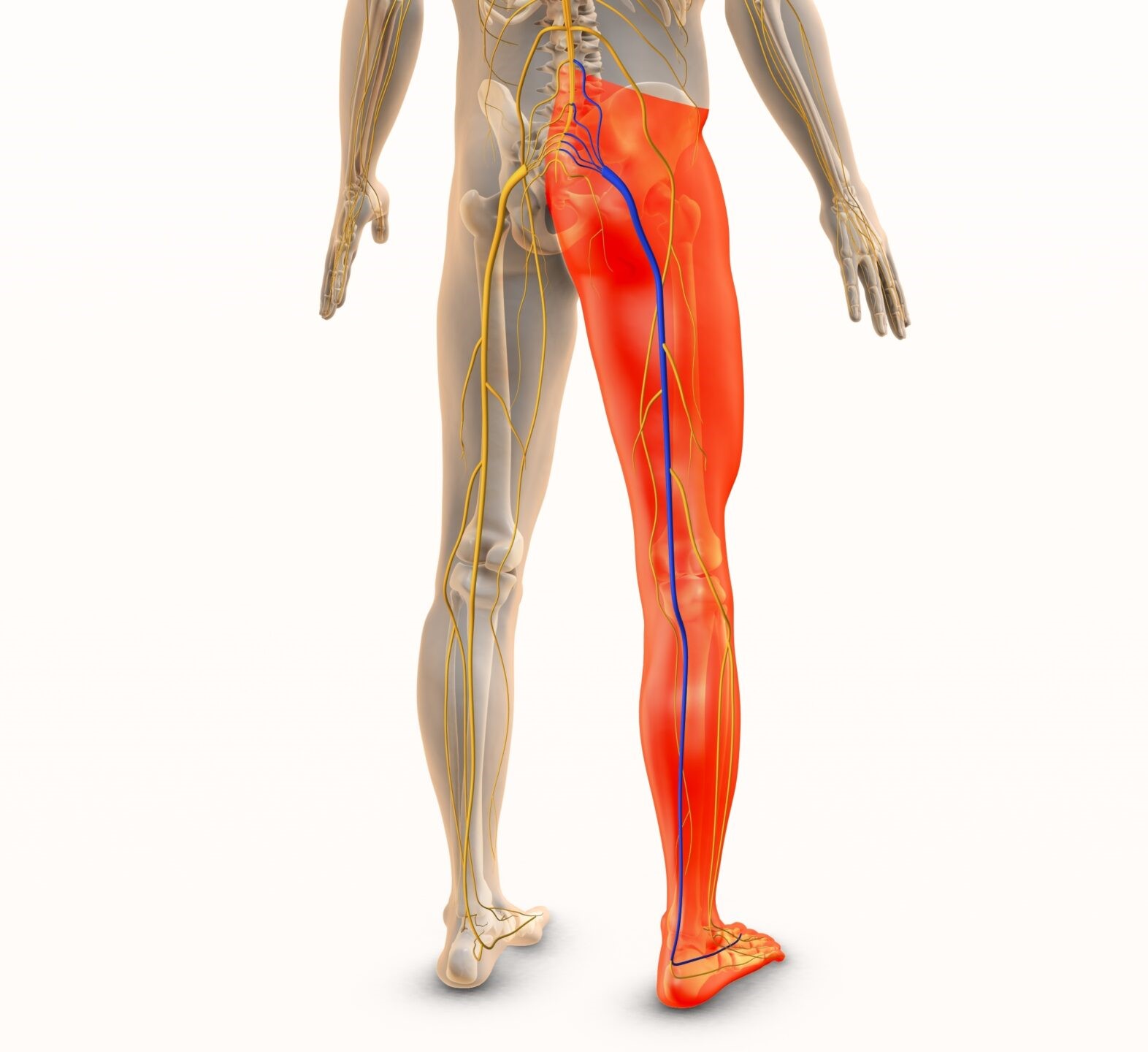
Understanding Sciatica
Sciatica is a term commonly used to describe pain that travels from the lower back or buttock into one or both legs. The pain follows the path of the sciatic nerve, which is the largest nerve in the body. Depending on the underlying cause, symptoms may range from mild discomfort to persistent pain that affects walking, sitting, standing or daily activities.
Some people experience sharp shooting pain, while others notice tingling, burning sensations, numbness or weakness in the leg. Symptoms may become worse after prolonged sitting, bending, coughing or certain movements.
Sciatica itself is a symptom rather than a diagnosis. It may be associated with irritation or compression of the sciatic nerve, spinal conditions or other musculoskeletal problems affecting the lower back and pelvis. A detailed physiotherapy assessment helps identify the likely source of symptoms and guides an appropriate rehabilitation programme.
At Ace Physiotherapy Clinic, Zirakpur, every patient undergoes an individual assessment to understand pain, movement limitations, neurological symptoms and rehabilitation goals before recommendations are made.
Common Symptoms
Symptoms vary depending on the underlying cause and the degree of nerve irritation. Some individuals experience only mild discomfort, while others may have significant pain or reduced mobility.
Pain that begins in the lower back or buttock and extends into the thigh, calf or foot.
Altered sensation or tingling travelling along the leg may occur in some individuals.
Reduced sensation in parts of the leg or foot may accompany sciatic nerve irritation.
Pain may feel burning, electric or shooting rather than a dull ache.
Prolonged sitting may increase discomfort in the lower back, buttock or leg.
Some individuals may notice weakness or reduced control while walking or climbing stairs. This should be professionally assessed.
Common Causes
Sciatica develops when the sciatic nerve becomes irritated or compressed. The symptoms may begin suddenly after lifting, twisting or an injury, or they may develop gradually due to changes affecting the lower back and surrounding structures. Because different conditions can produce similar symptoms, a professional assessment is important to determine the most appropriate rehabilitation approach.
Understanding the possible cause of your symptoms helps your physiotherapist recommend appropriate advice, exercises and rehabilitation based on your individual needs.
Changes affecting the lumbar discs may contribute to irritation of the sciatic nerve and pain travelling into the leg.
Tight muscles around the hip or pelvis may place pressure on surrounding tissues and contribute to sciatic-type symptoms.
Age-related changes affecting the lower back may reduce available space around the nerves and contribute to leg pain in some individuals.
Sudden lifting, twisting or repetitive manual work may increase strain on the lower back and surrounding structures.
Sitting for long periods without movement may increase discomfort in some people with sciatic nerve irritation.
Previous injuries or incomplete rehabilitation may increase the likelihood of recurring symptoms.
Risk Factors
Sciatica can affect anyone, although certain occupations, activities and lifestyle factors may increase the likelihood of developing symptoms.
Long hours of sitting may increase pressure on the lower back and contribute to sciatic discomfort.
Extended driving and prolonged sitting may aggravate pain travelling into the buttock or leg.
Repetitive lifting, bending and physically demanding work may place additional stress on the lower back.
Sports involving repetitive bending, twisting or heavy lifting may increase the risk of lower back injuries.
Individuals who have experienced recurring lower back pain may be more likely to develop sciatic symptoms.
Limited physical activity combined with prolonged sitting may contribute to reduced flexibility and movement.
When to Seek Physiotherapy
Mild leg pain may sometimes improve with rest or activity modification. However, if pain continues, becomes more frequent or starts affecting your daily routine, a physiotherapy assessment can help identify possible contributing factors and determine an appropriate rehabilitation programme.
Early assessment may also help identify movement restrictions, muscle weakness and nerve-related symptoms before they begin affecting work, walking, exercise or quality of life.
Persistent pain travelling into the buttock or leg should be professionally assessed.
Pain that limits walking or standing comfortably may benefit from assessment.
Persistent tingling, numbness or altered sensation should be evaluated by a healthcare professional.
Pain that increases while sitting for long periods may indicate irritation of the lower back or surrounding structures.
Difficulty working, driving, climbing stairs or performing routine activities may indicate the need for rehabilitation.
Repeated episodes of leg pain or sciatica should be assessed to identify contributing factors.
Physiotherapy Management
Every treatment programme begins with a comprehensive assessment. Recommendations are based on your symptoms, movement limitations and rehabilitation goals.
Understanding your symptoms, movement, posture and neurological signs before recommending treatment.
Physiotherapy techniques may help improve comfort and support everyday activities where appropriate.
Individual exercises may help improve mobility, flexibility, strength and overall function.
Advice on posture, lifting techniques and everyday movement may help reduce unnecessary stress on the lower back.
Your rehabilitation programme is tailored according to your symptoms, occupation and recovery goals.
Your physiotherapist regularly reviews progress and modifies exercises as your recovery improves.
Your Assessment
Every assessment is personalised to understand your pain, movement limitations and rehabilitation goals before creating an individual physiotherapy programme.
We discuss your symptoms, daily activities, previous injuries and medical history.
Your posture, walking pattern, lower back movement, strength and flexibility are carefully assessed.
Assessment findings are explained and possible contributing factors are discussed in detail.
A personalised physiotherapy programme is created to support your recovery goals and daily activities.
Self Care Tips
Take regular movement breaks if your work involves long periods of sitting.
Gentle activity is often preferable to prolonged bed rest unless otherwise advised by a healthcare professional.
Bend at the knees and avoid sudden twisting while lifting heavy objects.
Perform exercises recommended by your physiotherapist to improve flexibility and strength.
Seek Urgent Medical Care
Seek urgent medical care if leg pain is accompanied by sudden loss of bladder or bowel control, severe leg weakness, loss of sensation around the groin area, major trauma or rapidly worsening neurological symptoms.
Related Services